
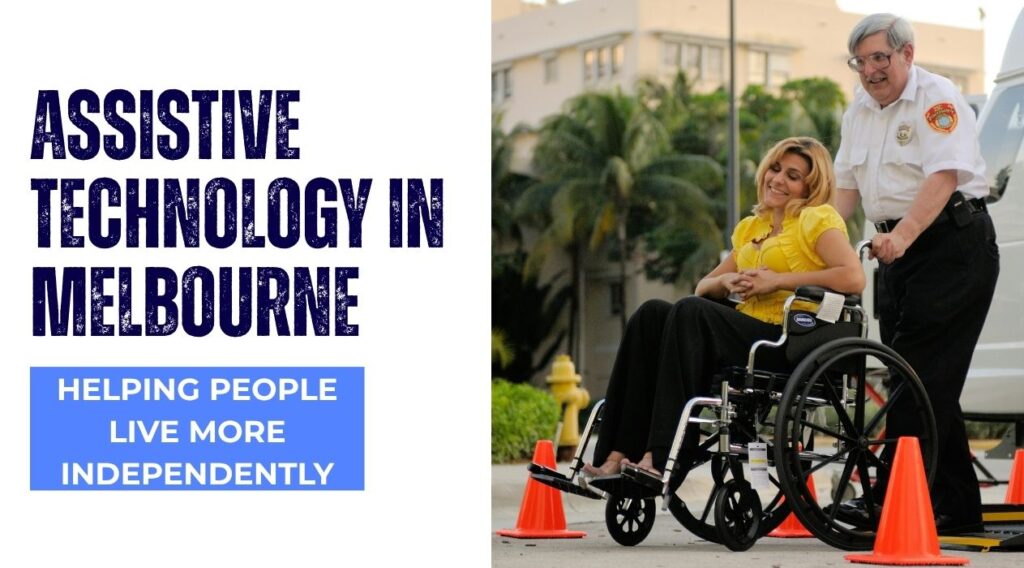
Assistive technology is transforming the way people with disabilities, injuries, and age-related conditions live their daily lives. In Australia, access to the right equipment can mean the difference between dependence and independence.
From mobility aids to complex rehabilitation systems, assistive technology empowers individuals to live safely, comfortably, and with dignity in their own homes.
What is Assistive Technology?
Assistive technology (AT) refers to any device, equipment, or system that helps individuals perform tasks they might otherwise find difficult or impossible.
This includes:
- Basic daily living aids
- Mobility equipment
- Pressure care solutions
- Communication devices
- Complex rehabilitation systems
AT is not just about equipment—it’s about improving quality of life, enabling participation, and supporting long-term independence.
Why Assistive Technology is Essential
1. Promotes Independence
People can perform daily tasks like bathing, cooking, and moving around without assistance.
2. Improves Safety
Reduces risks such as falls, pressure injuries, and accidents at home.
3. Supports Caregivers
Lifts physical strain from carers and improves care efficiency.
4. Enhances Quality of Life
Allows individuals to engage in social, work, and recreational activities.
Types of Assistive Technology
🔹 Mobility Equipment
Mobility aids help individuals move safely and confidently.
Examples:
- Manual wheelchairs
- Powered wheelchairs
- Walkers and rollators
- Mobility scooters
These devices are essential for users with limited mobility, neurological conditions, or post-surgery recovery.
🔹 Bathroom & Toileting Aids
Bathrooms are one of the highest-risk areas in a home.
Equipment includes:
- Shower chairs
- Commode chairs
- Grab rails
- Toilet seat raisers
These solutions significantly reduce fall risks and improve hygiene independence.
🔹 Pressure Care Equipment
Pressure injuries can develop quickly in individuals with limited movement.
Solutions include:
- Pressure-relief mattresses
- Cushions
- Alternating air systems
These are critical for long-term care and hospital-at-home setups.
🔹 Hospital & Rehabilitation Equipment
Used for both short-term recovery and long-term care.
Examples:
- Adjustable hospital beds
- Hoists and transfer systems
- Therapy and positioning equipment
🔹 Home Modifications
Sometimes equipment alone isn’t enough.
Modifications include:
- Wheelchair ramps
- Widened doorways
- Accessible bathrooms
- Stair lifts
NDIS and Assistive Technology in Australia
The National Disability Insurance Scheme (NDIS) provides funding for assistive technology if it is considered reasonable and necessary.
What NDIS Covers:
- Mobility aids
- Complex seating systems
- Hospital beds
- Hoists
- Home modifications
How to Get Approved:
- Assessment by therapist
- Equipment trial
- AT report submission
- Funding approval
Working with an experienced provider significantly increases approval success.
Importance of Equipment Trials
Choosing the wrong equipment can lead to:
- Discomfort
- Poor posture
- Increased risk of injury
- Wasted funding
Trials allow users to:
- Test comfort and usability
- Ensure correct sizing
- Evaluate real-life performance
How to Choose the Right Provider
Not all suppliers offer the same level of support.
Look for:
- Clinical expertise
- Trial services
- NDIS experience
- Ongoing support and servicing
Future of Assistive Technology
The industry is evolving rapidly with:
- Smart home integration
- AI-powered mobility devices
- Remote monitoring systems
These innovations will further enhance independence and care quality.
Conclusion
Assistive technology is more than equipment—it is a pathway to independence, dignity, and improved quality of life.
Whether you are an NDIS participant, caregiver, or healthcare professional, investing in the right solutions can make a life-changing difference.