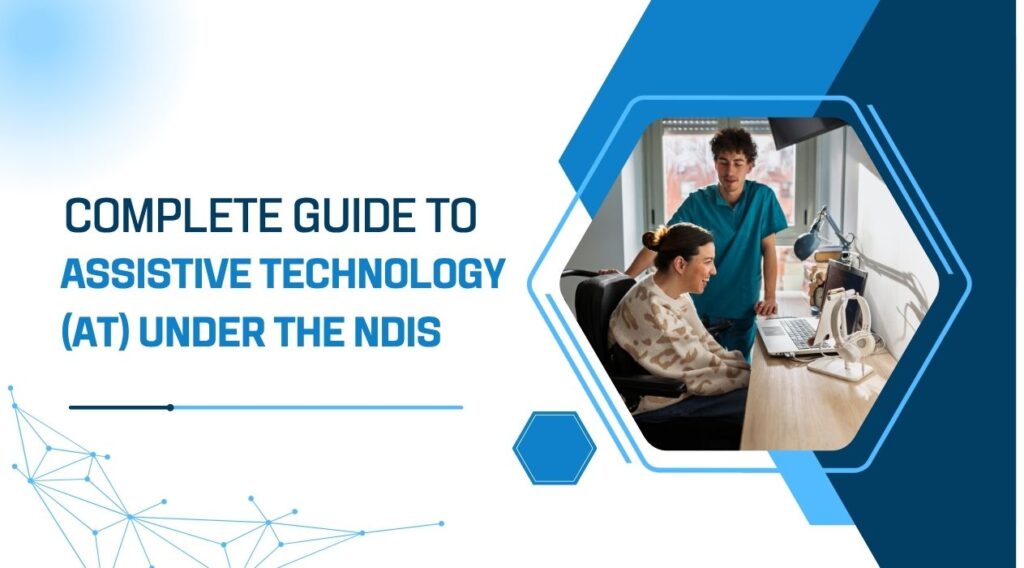
Complete Guide to Assistive Technology (AT) Under the NDIS
Assistive Technology (AT) is transforming the lives of people living with disabilities across Australia. From mobility aids and communication devices to smart home systems and daily living equipment, assistive technology empowers individuals to live more independently, safely, and confidently.
Under the National Disability Insurance Scheme (NDIS), eligible participants can access funding for assistive technology that supports their disability-related needs and helps them achieve their goals.
Whether you are new to the NDIS or exploring advanced assistive devices, this guide explains everything you need to know about assistive technology in Australia.
What is Assistive Technology?
Assistive Technology refers to equipment, devices, or systems that help people perform tasks they may find difficult due to disability, injury, aging, or health conditions.
The goal of assistive technology is to improve:
- Independence
- Mobility
- Communication
- Safety
- Participation in daily activities
- Quality of life
Assistive technology can range from simple tools like modified cutlery to advanced powered wheelchairs or communication devices.
Why Assistive Technology is Important
The right assistive technology can make everyday life easier and more accessible. It can help individuals:
- Move safely around their home and community
- Improve communication abilities
- Reduce reliance on carers
- Increase participation in work, education, and social activities
- Improve physical and mental wellbeing
- Enhance confidence and independence
Research and NDIS guidelines show that assistive technology supports greater participation and improves overall quality of life for people living with disabilities.
Types of Assistive Technology
1. Mobility Aids
Mobility equipment helps individuals move around safely and comfortably.
Examples include:
- Manual wheelchairs
- Powered wheelchairs
- Walking frames
- Crutches
- Mobility scooters
- Transfer aids
- Stair lifts
These devices help improve mobility, reduce falls, and support independent living.
2. Communication Devices
Communication technology supports individuals with speech, language, or hearing difficulties.
Examples include:
- Speech-generating devices
- AAC (Augmentative and Alternative Communication) devices
- Hearing aids
- Voice amplifiers
- Communication apps and tablets
Communication aids help people express themselves and participate more effectively in daily life.
3. Daily Living Aids
Daily living equipment supports everyday activities such as eating, bathing, dressing, and household tasks.
Examples include:
- Shower chairs
- Grab rails
- Adaptive kitchen tools
- Dressing aids
- Non-slip mats
- Toilet support equipment
These supports improve safety and independence at home.
4. Vision and Hearing Supports
Assistive devices for sensory impairments include:
- Screen readers
- Magnifiers
- Braille devices
- High-contrast displays
- Hearing loop systems
- Alerting systems
These technologies help individuals access information and communicate more effectively.
5. Smart Home and Environmental Controls
Modern assistive technology now includes smart home systems that improve accessibility and convenience.
Examples include:
- Voice-controlled lighting
- Smart door openers
- Automated blinds
- Environmental control systems
- Emergency alert systems
Smart technology allows users to control their environment more independently.
NDIS Funding for Assistive Technology
The NDIS may fund assistive technology if it is considered “reasonable and necessary” for a participant’s disability support needs.
The NDIA generally classifies assistive technology into three funding levels:
Low-Cost Assistive Technology
- Under $1,500 per item
- Usually simple and low-risk
- Can often be purchased without prior approval
Examples:
- Shower stools
- Adaptive cutlery
- Non-slip bath mats
Mid-Cost Assistive Technology
- Between $1,500 and $15,000
- Requires evidence or assessment from an allied health professional
Examples:
- Pressure care mattresses
- Communication devices
- Standing hoists
High-Cost Assistive Technology
- Over $15,000
- Requires comprehensive assessments and NDIA approval
Examples:
- Custom wheelchairs
- Advanced communication systems
- Complex environmental controls
Who Can Help with Assistive Technology Assessments?
Qualified allied health professionals often assist participants in choosing the right assistive technology.
This may include:
- Occupational Therapists (OTs)
- Physiotherapists
- Speech Pathologists
- Rehabilitation Engineers
- Assistive Technology Specialists
These professionals assess individual needs, recommend suitable equipment, and provide reports for NDIS funding applications.
How to Access Assistive Technology Through the NDIS
Step 1: Identify Your Needs
Think about daily activities you find difficult and how technology could improve independence and safety.
Step 2: Speak with a Professional
An allied health professional can assess your functional needs and recommend suitable equipment.
Step 3: Gather Supporting Evidence
This may include:
- Assessments
- Quotes
- Trial reports
- Clinical recommendations
Step 4: Submit to the NDIS
The NDIA reviews whether the assistive technology meets funding criteria.
Step 5: Purchase and Training
Once approved, equipment can be purchased and training may be provided to ensure safe use.
Benefits of Assistive Technology
Assistive technology can deliver life-changing benefits, including:
- Greater independence
- Increased confidence
- Better community participation
- Reduced carer burden
- Improved safety at home
- Enhanced communication and mobility
- Better overall wellbeing
For many participants, the right technology creates opportunities for education, employment, and social engagement.
Choosing the Right Assistive Technology Provider
When selecting an assistive technology provider, consider:
- Experience with NDIS processes
- Qualified allied health team
- Product knowledge
- Personalised recommendations
- Ongoing support and training
- Equipment trials and servicing
Working with experienced professionals ensures the technology matches your goals and lifestyle.
Common Challenges with Assistive Technology
Some common challenges include:
- Choosing the right equipment
- Understanding NDIS funding processes
- Delays in approvals
- Equipment maintenance and repairs
- Adapting to new technology
Professional guidance can help simplify the process and improve outcomes.
Future of Assistive Technology
Technology continues to evolve rapidly, offering more innovative and accessible solutions.
Emerging trends include:
- AI-powered communication devices
- Smart home integration
- Wearable health technology
- Robotic mobility aids
- Voice-controlled systems
These advancements are creating greater opportunities for independence and inclusion.